
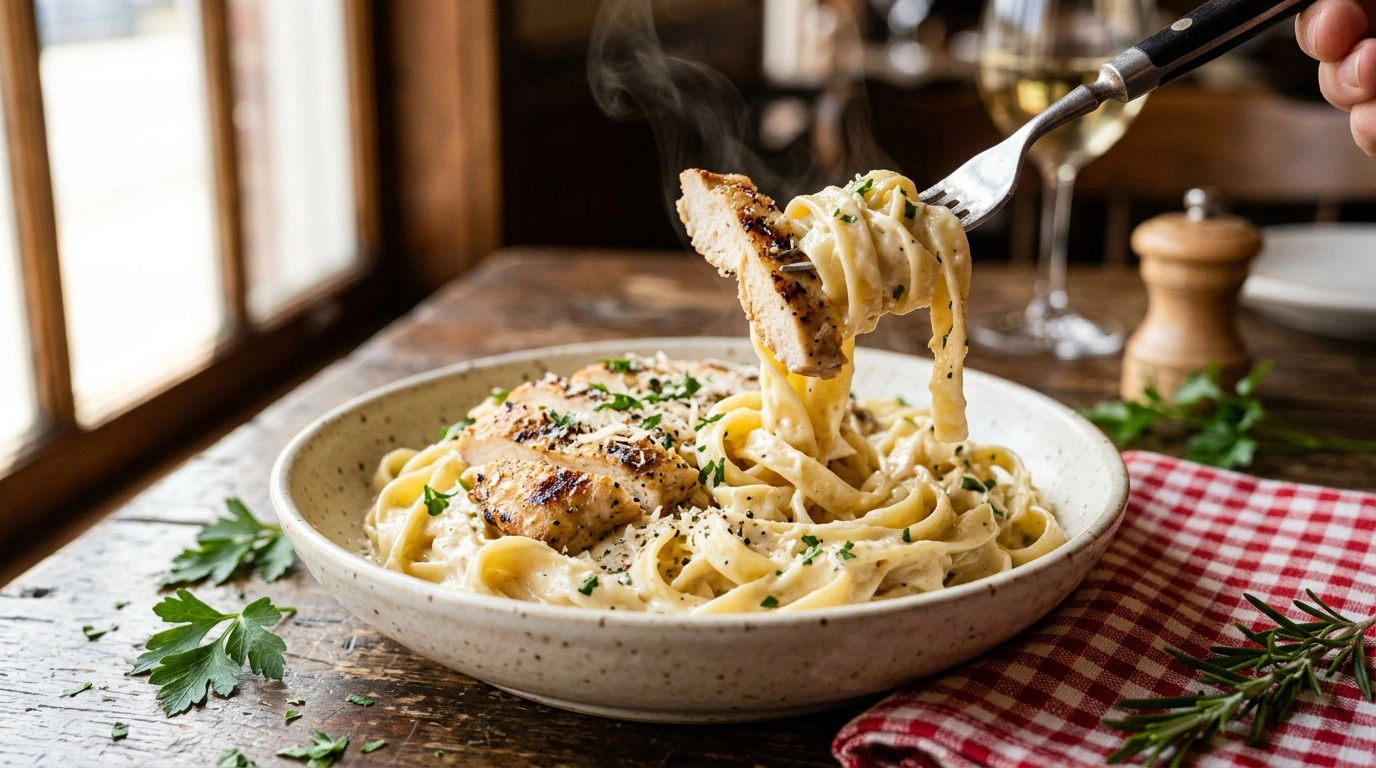
Introduction: Your New Favorite Comfort Food Awaits
Picture this: it’s a Tuesday evening, the day has been long, and you cravesomething that feels like a warm hug in a bowl. You open your fridge, survey your pantry staples, and think—can I really make restaurant-quality Italian food at home without spending hours in the kitchen?
The answer is a resounding yes. This creamy chicken alfredo recipe is about to become your go-to dinner for busy weeknights, cozy family gatherings, and everything in between. It’s the kind of dish that makes you look like a culinary rockstar with minimal effort—and your family will absolutely devour every single bite.
What makes this recipe special? We’re talking about a rich, velvety alfredo sauce made from scratch—no jarred sauces or shortcuts here. Just real butter, heavy cream, freshly grated parmesan, and tender chicken that melts in your mouth. This isn’t just another pasta recipe; it’s the one you’ll come back to again and again.
The best part? You can pull this together in under 30 minutes with ingredients you probably already have on hand. No fancy equipment, no obscure ingredients, no stress. Just pure, comforting deliciousness that tastes like it came from a trattoria in Florence.
Ready to transform your dinner routine? Let’s dive in.
What Makes This Chicken Alfredo Recipe So Special
The Secret to Restaurant-Quality Alfredo Sauce
Here’s the thing about alfredo sauce—it’s deceptively simple, but the difference between “good” and “incredible” comes down to technique and ingredients.
Real alfredo sauce starts with real butter. Not margarine, not olive oil—good old-fashioned unsalted butter. When you melt it and let it bubble gently, you create the foundation for that signature richness. Then comes the heavy cream—this is what gives the sauce its luxurious, velvety texture that clings to every strand of pasta.
But here’s where most home cooks go wrong: they crank up the heat and add the cheese too quickly. The result? A grainy, clumpy mess instead of a silky smooth sauce. We’ll walk you through exactly how to avoid this in the step-by-step section, but the key is low and slow.
And speaking of cheese—always use freshly grated parmesan. The stuff in the green canister has anti-caking agents that prevent it from melting properly. Trust us, spending those extra two minutes grating a block of quality parmesan will change everything.
Why This Recipe Works for Every Occasion
This creamy chicken alfredo recipe is versatile enough to fit into virtually any dining situation.
Weeknight dinners: You can have this on the table in 30 minutes or less. The ingredient list is short, and chances are you already have most items in your kitchen.
Meal prep champion: This stores beautifully for lunch the next day (and the day after). The flavors actually deepen overnight.
Entertaining made easy: Serve this to guests and watch them ask for your “secret.” Shh—we won’t tell them it took less than a half hour.
Kid-approved: Let’s be honest, most kids love creamy pasta. This is a sneaky way to get them eating real ingredients without any complaints.
Ingredients for the Perfect Creamy Chicken Alfredo
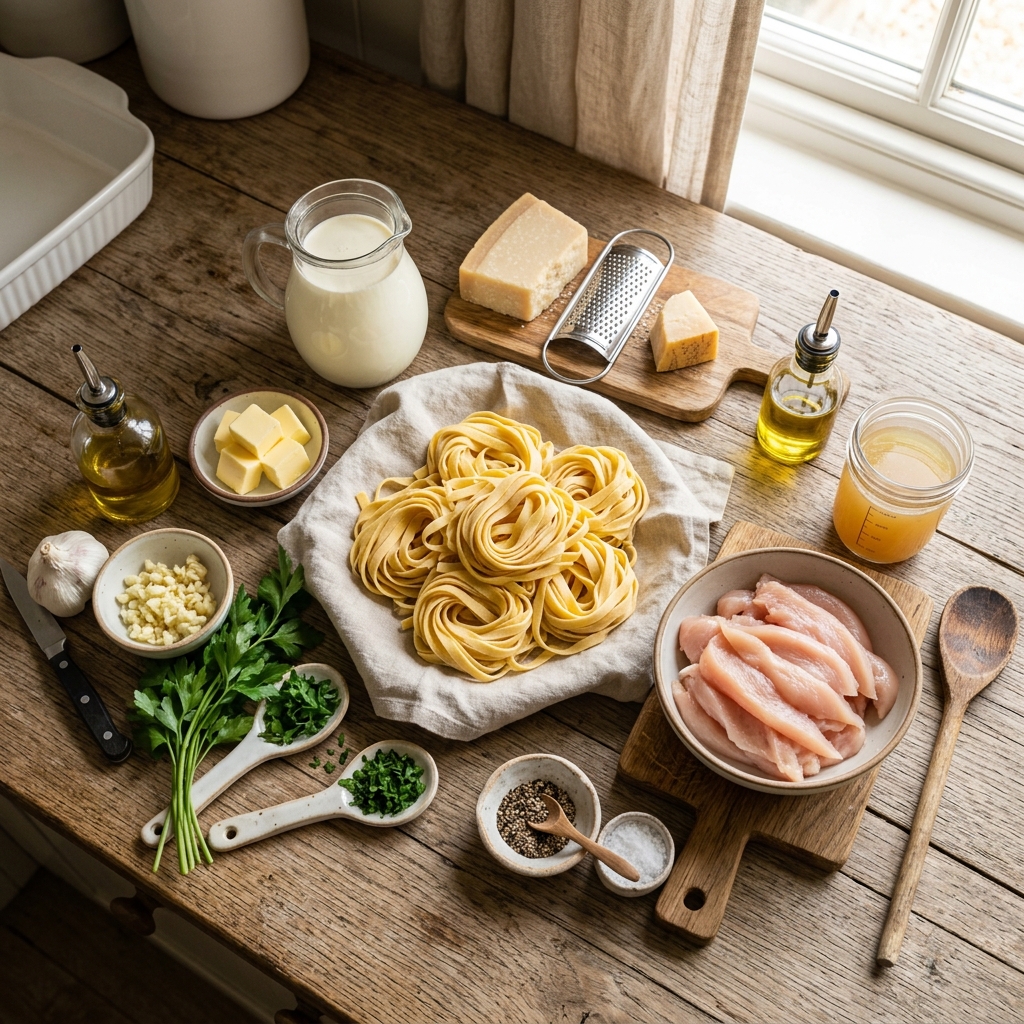
Choosing the Right Pasta
Fettuccine is the classic choice for chicken alfredo, and here’s why: those wide, flat noodles provide maximum surface area for the sauce to cling to. Every bite delivers that perfect cream-to-pasta ratio.
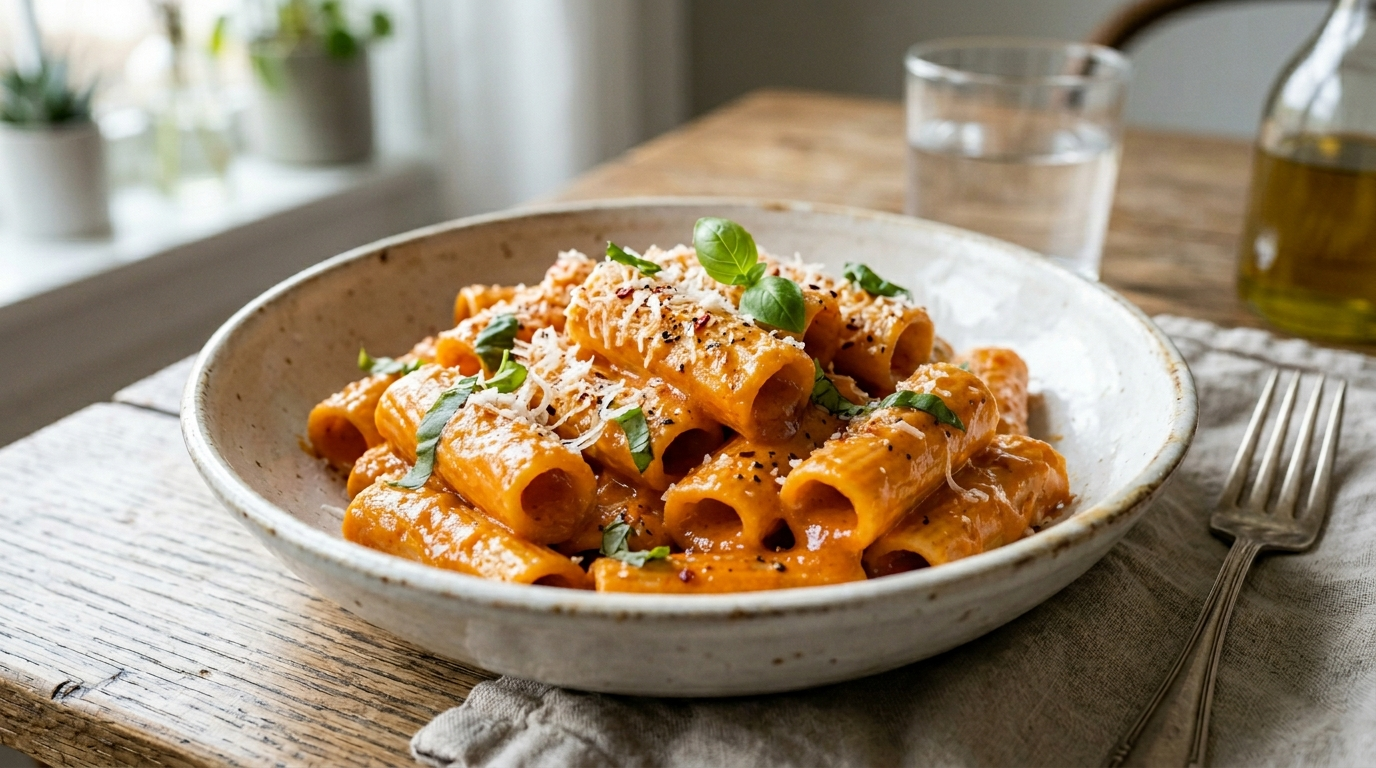
But don’t feel locked into fettuccine. Penne works beautifully—the sauce gets caught in those tube ridges. Linguine is a lighter alternative. Even rigatoni holds up well if that’s what you have in your pantry.
Pro tip: Always save about a cup of your pasta water before draining. That starchy, salted liquid is gold for adjusting your sauce consistency. If your alfredo sauce feels too thick, splash in some of that reserved water and watch it come together perfectly.
Fresh vs. Store-Bought Ingredients
Let’s break down what really matters when you’re standing in the grocery aisle:
Garlic: Always use fresh cloves. The jarred minced stuff simply cannot replicate that aromatic, slightly sweet depth that comes from cooking fresh garlic in butter.
Parmesan: Splurge on a wedge and grate it yourself. Yes, it’s more work. Yes, it’s completely worth it. The pre-shredded stuff melts inconsistently and often tastes nothing like real parmesan.
Chicken: Boneless, skinless chicken breasts are the standard choice—they’re lean and cook quickly. But don’t discount chicken thighs if you want a richer, more flavorful bite. Just adjust your cooking time accordingly since thighs take a bit longer.
Complete Ingredient Table
| Ingredient | Amount | Notes |
|---|---|---|
| Chicken breast | 1 lb (450g) | Sliced thin for even cooking |
| Fettuccine pasta | 12 oz (340g) | Or penne/linguine |
| Unsalted butter | 4 tbsp | Real butter, not margarine |
| Heavy cream | 1 cup (240ml) | Full-fat for richest sauce |
| Chicken broth | ½ cup (120ml) | Low-sodium preferred |
| Parmesan cheese | 1 cup, freshly grated | About 4 oz |
| Garlic | 4 cloves, minced | Fresh garlic |
| Italian seasoning | 1 tsp | Or use fresh herbs |
| Salt | To taste | Adjust after adding cheese |
| Black pepper | ½ tsp | Freshly ground |
| Olive oil | 2 tbsp | For cooking chicken |
| Fresh parsley | 2 tbsp, chopped | For garnish (optional) |
Step-by-Step Instructions for Creamy Chicken Alfredo
Step 1: Prep the Chicken
Start by patting your chicken breasts dry with paper towels. Moisture is the enemy of browning, and we want beautiful golden color here.
Season both sides generously with salt, pepper, and that teaspoon of Italian seasoning. Then, using a sharp knife, slice the breasts horizontally into thin cutlets—this ensures even cooking and more surface area for that delicious browning.
Heat your olive oil in a large skillet over medium-high heat. Once it’s shimmering, add the chicken in a single layer. Don’t crowd the pan; if necessary, work in batches.
Cook each side for about 3-4 minutes until golden brown and cooked through (internal temperature should reach 165°F). Transfer to a plate and cover loosely to keep warm. Don’t worry if there’s some browned bits in the pan—that’s flavor gold we’re about to use.
Step 2: Build the Alfredo Sauce Base

Now let’s create that magical sauce. Reduce the heat to medium and add your butter to the same pan. Watch it melt and bubble—that sizzle is the sound of deliciousness beginning.
Add your minced garlic and cook for just 30 seconds. Keep a close eye here; garlic burns quickly, and burned garlic tastes bitter. You want it fragrant and slightly golden, not dark and crispy.
Pour in the heavy cream and chicken broth. Give everything a good stir, scraping up those tasty browned bits from the bottom of the pan. Let this mixture simmer gently for 3-4 minutes. You’ll see it start to thicken slightly as it reduces.
Step 3: Add the Cheese
Here’s the crucial moment: transforming this cream mixture into true alfredo sauce.
Reduce your heat to low—this is non-negotiable. High heat causes cream to break and cheese to seize up into unappetizing clumps.
Now add your freshly grated parmesan in small handfuls, stirring continuously as it melts. The sauce should start to thicken almost immediately and become beautifully smooth.
Taste and adjust your seasoning. Remember, cheese adds salt, so go easy on the additional salt until you’ve added the parmesan. A fresh grind of black pepper at this stage adds wonderful brightness.
Step 4: Combine Pasta and Chicken
Now for the satisfying finale. Add your cooked and drained pasta directly to the pan with the sauce. Toss everything together so every strand gets coated in that creamy goodness.
If the sauce feels too thick, add that reserved pasta water we mentioned earlier—a splash at a time until you reach your desired consistency.
Return your cooked chicken to the pan, stirring gently to distribute it throughout. Give everything a final taste check—you might need a bit more pepper or parmesan.
Garnish with fresh chopped parsley if desired, and serve immediately while everything is hot and gorgeous.
Pro Tips for the Best Chicken Alfredo Every Time
Common Mistakes to Avoid
We want your first attempt to be a smashing success, so here’s what NOT to do:
Don’t use pre-shredded parmesan. Those little pellets contain cellulose and other anti-caking agents that make smooth sauce impossible. Grate your own—your taste buds will thank you.
Don’t cook over high heat. Once you’ve added the cream and especially the cheese, keep the heat low. High temperatures cause the fat to separate, leaving you with a curdled, greasy mess.
Don’t overcook your pasta. Remember, your pasta continues cooking in the pan with the sauce. Pull it from the boiling water a minute or two before al dente, then finish cooking in the sauce.
Don’t forget to save pasta water. This simple step separates decent alfredo from incredible alfredo. That starchy water helps the sauce emulsify and cling to the pasta perfectly.
Chef’s Secrets for Restaurant Quality
Ready to take your chicken alfredo from good to “wow”? Try these professional techniques:
The nutmeg trick: Add a tiny pinch—seriously, just a pinch—of ground nutmeg to your sauce. It adds an almost undetectable warmth that is incredibly classic to authentic alfredo.
Mount with butter: Before serving, add a small pat of cold butter and swirl it into the sauce. This technique, called “monter au beurre” in French cooking, adds an incredible silky shine and richness.
Double cheese: Mix parmesan with a bit of pecorino romano for more complex flavor. The slight saltiness of pecorino balances the richness beautifully.
Use a wide pan: A larger surface area means more evaporation and better browning. Plus, it gives you room to toss everything together properly.
Delicious Variations and Add-ins
Veggie Add-ins
Transform your chicken alfredo into a more balanced meal by adding vegetables:
- Broccoli florets: Add during the last 3 minutes of cooking for tender-crisp bites
- Sautéed mushrooms: Cook them in butter before starting the sauce for extra depth
- Fresh spinach: Toss in right at the end—the residual heat wilts it perfectly
- Roasted red peppers: Dice and stir in for a pop of color and sweet flavor
Protein Swaps
Feeling creative? Mix up the protein:
- Swap chicken for large, succulent shrimp
- Add crumbled Italian sausage for extra heartiness
- Sprinkle crispy bacon bits on top for indulgent richness
Lighter Version Options
Watching calories? No problem:
- Substitute half-and-half for heavy cream
- Use olive oil and a touch of broth instead of butter
- Choose whole wheat or chickpea pasta
- Reduce cheese and add more vegetables
You can still enjoy a fantastic creamy chicken alfredo experience while making it work for your lifestyle.
Serving Suggestions and Pairings
What to Serve with Chicken Alfredo
A beautiful plate of pasta deserves equally delicious accompaniments:
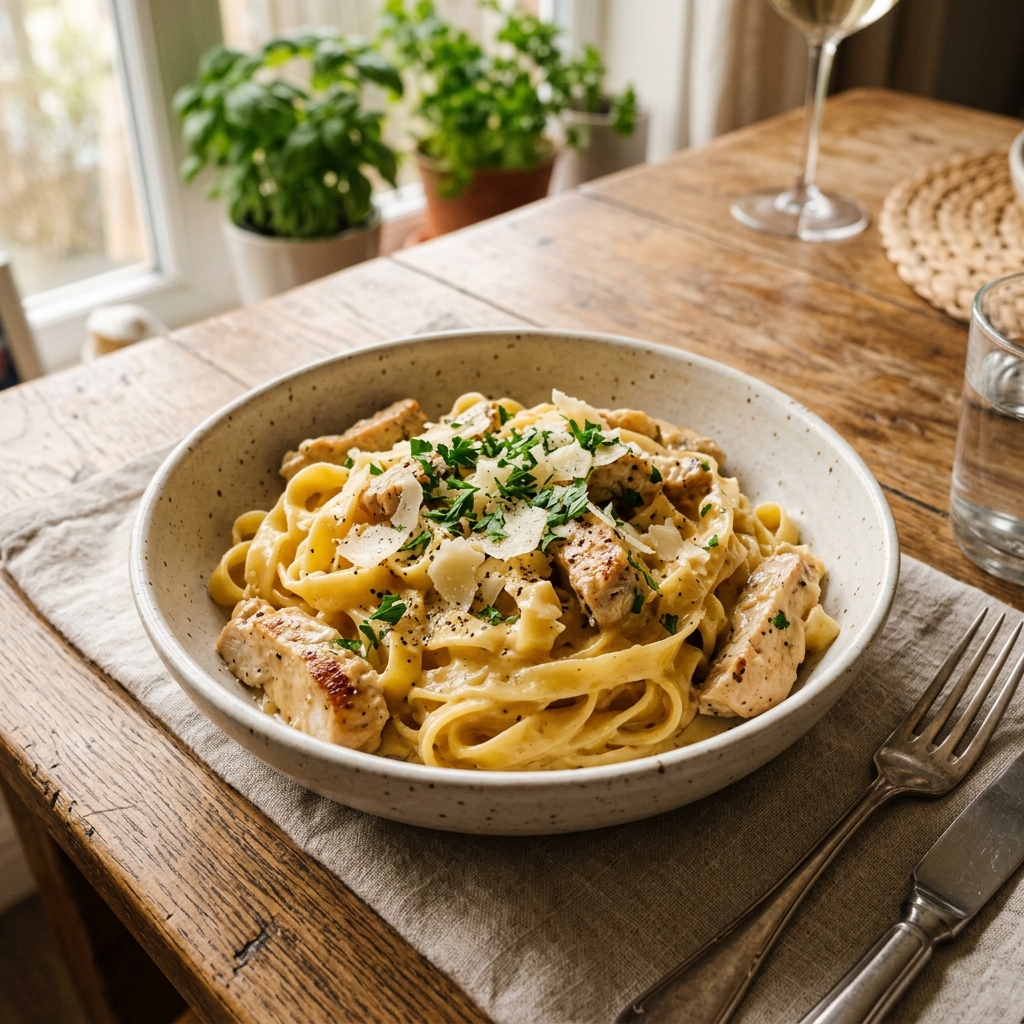
Garlic bread or breadsticks: Non-negotiable. You need something to soak up every drop of that gorgeous sauce. Toast some crusty bread with garlic butter—you won’t regret it.
Caesar salad: The crisp, cool romaine and tangy dressing provide the perfect counterpoint to rich, creamy pasta.
Roasted vegetables: Asparagus, zucchini, or broccolini roasted until caramelized add color, nutrition, and textural interest.
Wine Pairing Recommendations
If you’re serving this for a dinner party or special occasion:
- Chardonnay: The classic pairing—its buttery notes complement the sauce perfectly
- Pinot Grigio: A lighter, more refreshing option for summer serving
- Non-alcoholic: Sparkling water with lemon or a crisp white grape juice works beautifully
Storing and Reheating Your Chicken Alfredo
Refrigerator Storage
Your alfredo keeps beautifully in the fridge. Store in an airtight container for up to 4 days.
Pro tip: You might notice the pasta has absorbed more sauce overnight—this is totally normal. When reheating, add a splash of milk or broth to bring it back to the right consistency.
Freezer Instructions
Believe it or not, this creamy chicken alfredo recipe freezes well for up to 2 months. Let it cool completely, then store in freezer-safe containers.
When you’re ready to enjoy it, thaw overnight in the refrigerator. Note: cream sauces sometimes separate slightly after freezing—the texture might be a touch different, but it’ll still taste amazing. Reheat gently on the stovetop, adding a splash of cream to bring it back together.
Best Reheating Methods
Stovetop (recommended): Place in a pan over low heat, add a splash of milk or broth, and stir gently until warmed through. This maintains the best texture.
Microwave: Heat for 1-2 minutes, stir halfway through. It’s not ideal, but it works in a pinch.
Freshen up: After reheating, finish with a sprinkle of freshly grated parmesan and a grind of black pepper—makes a huge difference.
Frequently Asked Questions
Can I make Chicken Alfredo ahead of time?
Absolutely. Cook the chicken and prepare the sauce separately. Store them in the fridge for up to 2 days. When you’re ready to eat, cook your pasta fresh, then combine everything in the pan and heat through. This ensures the pasta doesn’t get mushy and the sauce stays silky.
Why is my alfredo sauce grainy or curdled?
This typically happens when the heat is too high or the cheese is added too quickly. Always keep heat on low when adding cheese, and add it in small handfuls while stirring constantly. If your sauce does break, try blending it briefly or adding a touch of cold water while whisking vigorously.
What can I use instead of heavy cream?
Half-and-half works for a lighter version, though the sauce will be thinner. Some cooks use a combination of milk and cream cheese for richness without all the fat. Just know that your results will vary slightly in texture and richness.
Is Chicken Alfredo gluten-free?
Traditional alfredo uses wheat pasta, so it’s not naturally gluten-free. However, you can easily make this recipe gluten-free by using your favorite gluten-free pasta. Just make sure your chicken broth and other ingredients are certified gluten-free as well.
How do I make this recipe healthier?
There are plenty of options: use whole wheat pasta, swap half the heavy cream for half-and-half, add more vegetables, or reduce the amount of cheese. Your alfredo will still be absolutely delicious.
Can I use jarred alfredo sauce instead?
You can, but we really don’t recommend it. Jarred sauces often contain preservatives and just don’t have that fresh, homemade taste. If you do use jarred sauce, add extra butter and parmesan to improve the texture and flavor.
Conclusion: Your New Favorite Comfort Food Awaits
You did it. You now have everything you need to create a creamy chicken alfredo recipe that will rival any restaurant—all from your own kitchen, in under 30 minutes.
This recipe isn’t just about feeding yourself and your family (though it does that beautifully). It’s about the confidence that comes from mastering a classic. It’s about the smiles around the dinner table when everyone goes back for seconds. It’s about having one more tool in your cooking arsenal for those nights when you need something truly satisfying without the hassle.
The beauty of this dish lies in its simplicity—just a handful of quality ingredients, some basic techniques, and a little love. Nothing fancy, nothing complicated. Just incredibly delicious food that happens to be easier than ordering takeout.
Now it’s your turn. Head to your kitchen, gather your ingredients, and get cooking. We promise—you’re going to love how this turns out.